Überblick
DAM steht für Datenbankaktivitätsüberwachung. Datenbankaktivitätsüberwachung (DAM) ist für die Datensicherheit und das Datenbankmanagement unerlässlich und bietet Echtzeit-Transparenz in alle Interaktionen mit sensiblen Daten. Sie verfolgt Zugriff, Abfragen sowie sowohl autorisierte als auch unautorisierte Aktivitäten innerhalb von Datenbankumgebungen, um Datenpannen zu verhindern und die Datenintegrität zu gewährleisten. DAM hat sich weiterentwickelt und umfasst fortschrittliche Funktionen wie Echtzeitanalyse und automatisierte Alarmierung, was seine entscheidende Rolle für Datensicherheit und Compliance widerspiegelt.
Die Überwachung von Datenbankaktivitäten (DAM) stellt einen entscheidenden Bestandteil der Datensicherheit und des Datenbankmanagements dar. Sie umfasst eine Vielzahl von Prozessen und Technologien, die darauf ausgelegt sind, die Aktivitäten innerhalb von Datenbankumgebungen zu überwachen, zu analysieren und darüber zu berichten. Dazu gehört die Nachverfolgung von Datenzugriffen, Datenbankabfragen sowie sowohl autorisierte als auch unautorisierte Datenbankaktivitäten. Indem DAM Echtzeit-Transparenz in alle Interaktionen mit sensiblen Daten bietet, spielt es eine entscheidende Rolle beim Schutz vor Datenpannen und der Sicherstellung der Integrität der Datenressourcen einer Organisation.
Die Nachverfolgung der Ursprünge der Überwachung von Datenbankaktivitäten zeigt ihre Entwicklung parallel zur zunehmenden Komplexität von Datenbankumgebungen und der zunehmenden Komplexität von Cyberbedrohungen. Anfangs konzentrierten sich DAM-Lösungen hauptsächlich auf einfache Protokollierung und Überwachung des Datenbankzugriffs. Mit dem technologischen Fortschritt und der zunehmenden regulatorischen Anforderungen wurde der Umfang von DAM jedoch um fortschrittliche Funktionen wie Echtzeitanalyse, automatisierte Warnungen und Integration mit anderen Sicherheitstools ausgeweitet. Dieser historische Fortschritt unterstreicht die zunehmende Anerkennung der entscheidenden Rolle, die DAM im weiteren Kontext von Datensicherheit und Compliance-Management spielt.
- Wie DAM funktioniert: Erfasst, analysiert und warnt Datenbankaktivitäten unabhängig von den nativen Datenbankprotokollen – und leitet auditreife Telemetrie an Sicherheitsteams und SIEM-Tools weiter.
- Warum DAM im Jahr 2026 wichtig ist: Regulatorischer Druck, Insiderrisiken und der Zugang zu sensiblen Daten aus der KI-Ära haben kontinuierliche, verifizierbare Überwachung zu einer Vorschrift auf Vorstandsebene gemacht.
Wie funktioniert die Überwachung der Datenbankaktivität?
Die Implementierung von DAM umfasst das Sammeln detaillierter Protokolle der Datenbankaktivitäten, die Analyse dieser Daten zur Erkennung von Anomalien und die Erstellung von Berichten, um Sicherheitsfachleute über mögliche Probleme zu informieren. DAM-Systeme überwachen Benutzerzugriff, Systemtransaktionen und Netzwerkdatenübertragungen, um sensible Informationen zu schützen und die Datenbankleistung aufrechtzuerhalten.
Die Implementierung der Überwachung der Datenbankaktivität erfordert einen vielschichtigen Ansatz, der Datenerhebung, -analyse und -berichterstattung umfasst. Der erste Schritt, die Datenerhebung, umfasst die Erfassung detaillierter Protokolle aller Datenbankaktivitäten, einschließlich, aber nicht beschränkt auf Benutzerzugriffe, Datenbankabfragen und Änderungen am Datenbankschema. Diese Daten werden anschließend analysiert, um Muster normalen Verhaltens zu identifizieren und Anomalien zu erkennen, die auf eine Sicherheitsbedrohung oder einen Compliance-Verstoß hinweisen könnten. Die letzte Komponente, die Berichterstattung, besteht darin, detaillierte Berichte und Warnungen zu erstellen, die Datenbankadministratoren und Sicherheitsexperten über potenzielle Probleme informieren und ihnen ermöglichen, schnell Korrekturmaßnahmen zu ergreifen. Dieser umfassende Ansatz stellt sicher, dass Organisationen ein klares und kontinuierliches Verständnis ihrer Datenbankaktivitäten haben, was entscheidend für die Aufrechterhaltung der Datensicherheit und -integrität ist.
Genauer gesagt überwachen DAM-Systeme drei Ebenen der Datenbankaktivität: Datenbankaktivitätsüberwachungssysteme sind darauf ausgelegt, eine Vielzahl von Aktivitäten zu prüfen, um die Sicherheit und Effizienz der Datenbankbetriebe zu gewährleisten. Dazu gehört die Überwachung des Benutzerzugangs, um sicherzustellen, dass nur autorisiertes Personal sensible Daten einsehen oder ändern kann, wodurch unbefugter Datenzugriff oder potenzielle Datenpannen verhindert wird. Systemtransaktionen werden ebenfalls genau überwacht, wobei DAM-Lösungen Änderungen an der Datenbank wie Aktualisierungen, Löschungen oder Änderungen verfolgen, um sicherzustellen, dass alle Transaktionen legitim und autorisiert sind. Darüber hinaus überwachen DAM-Systeme Daten, sobald sie über das Netzwerk übertragen werden, um sicherzustellen, dass sensible Informationen nicht an unbefugte Empfänger oder Orte gesendet werden. Indem DAM diese Aktivitäten aufmerksam überwacht, hilft es Organisationen, ihre sensiblen Daten zu schützen, die Datenbankleistung aufrechtzuerhalten und regulatorische Anforderungen einzuhalten.
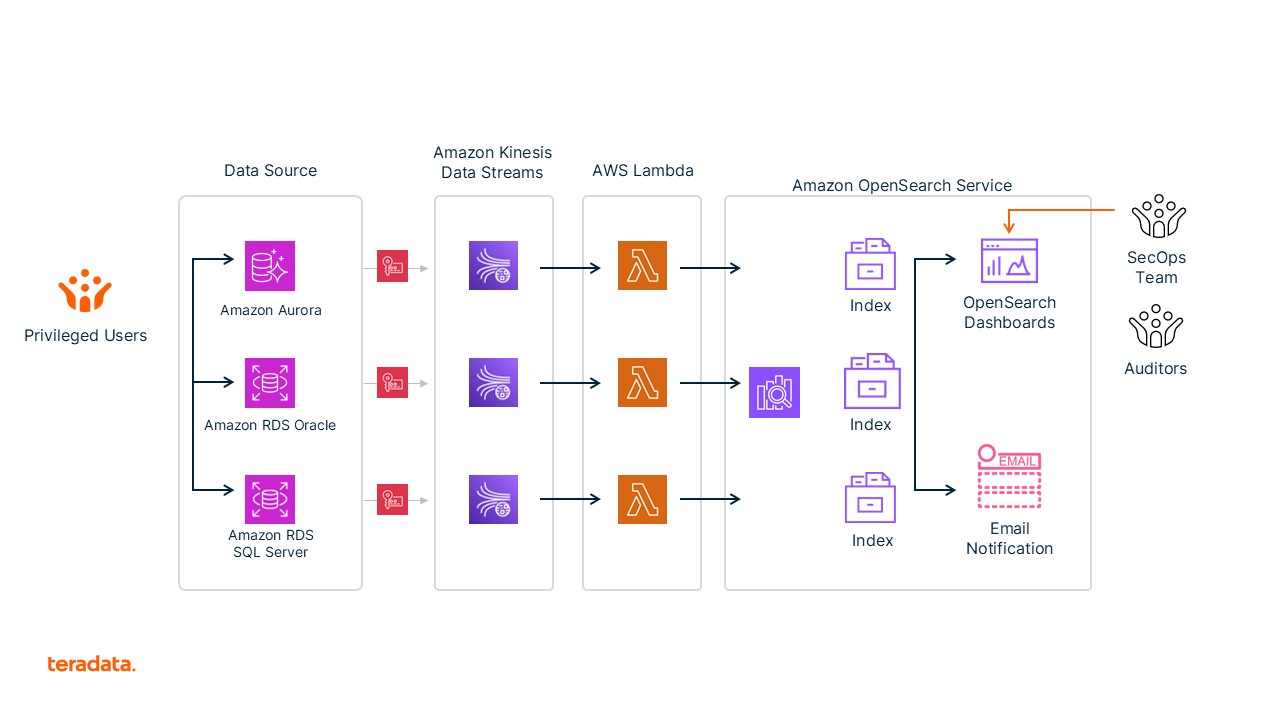
Quelle: https://aws.amazon.com/blogs/database/privileged-database-user-activity-monitoring-using-database-activity-streamsdas-and-amazon-opensearch-service/
Warum ist DAM im Jahr 2026 wichtig?
Der regulatorische Druck nimmt zu
Neue und sich erweiternde Vorschriften (SEC-Cyberregeln, sich entwickelnde Datenschutzgesetze der Bundesstaaten, globale Datenaufenthaltspflichten) verlangen von Organisationen, dass sie nachweisen:
- Wer hat auf sensible Daten zugegriffen
- Als sie darauf zugreifen
- Was sie damit gemacht haben
Insider-Risiko ist jetzt ein Hauptrisiko für Sicherheitsverletzungen
Externe Angriffe sind weiterhin häufig – aber Insider-Missbrauch (privilegierte Nutzer, Auftragnehmer, kompromittierte Zugangsdaten) ist eine der am schnellsten wachsenden Bedrohungen. DAM bietet:
- Echtzeitüberwachung privilegierter Zugriffe
- Erkennung anomaler Abfragemuster
- Warnungen wegen ungewöhnlicher Massendatenextraktion
KI und fortschrittliche Analysen erhöhen die Sichtbarkeit
Während Unternehmen KI- und Machine-Learning-Initiativen ausbauen:
- Mehr Nutzer erhalten Zugang zu großen Datensätzen
- Mehr Automatisierung interagiert direkt mit Produktionsdaten
- Datenpipelines werden komplexer
Verantwortlichkeit auf Vorstandsebene für Datenrisiken
Cybersicherheit ist nun ein KPI des Vorstands. Führungskräfte müssen nachweisen:
- Kontinuierliche Überwachung
- Fähigkeit zur Brucherkennung
- Kontrolle über sensible Datensätze
DAM unterstützt Executive Reporting und Risiko-Dashboards – nicht nur technische Sicherheitsteams.
Vorteile der Überwachung von Datenbankaktivitäten
DAM bietet bei effektiver Umsetzung mehrere konkrete Sicherheits- und Betriebsvorteile.
Die Implementierung der Überwachung von Datenbankaktivitäten bringt Organisationen eine Vielzahl von Vorteilen, wobei der wichtigste eine bedeutende Verbesserung der Datensicherheit ist. Durch die Bereitstellung von Echtzeit-Transparenz in alle Datenbankaktivitäten ermöglicht DAM Organisationen, potenzielle Bedrohungen und Schwachstellen schnell zu erkennen und darauf zu reagieren, wodurch das Risiko von Datenpannen reduziert wird.
Compliance ist ein weiterer kritischer Bereich, in dem DAM erhebliche Vorteile bietet. Mit verschiedenen Vorschriften, die eine strenge Kontrolle und Überprüfung des Zugriffs auf sensible Daten erfordern, erleichtern DAM-Systeme die Compliance, indem sie alle Datenbankaktivitäten automatisch verfolgen und dokumentieren, was die Einhaltung regulatorischer Standards erleichtert. Darüber hinaus unterstützt DAM die Reaktion auf Vorfälle, indem es schnell Ursprung und Umfang eines Sicherheitsvorfalls identifiziert und so eine schnellere Behebung ermöglicht. Schließlich können Einblicke in Datennutzungsmuster, die aus DAM gewonnen werden, Organisationen dabei helfen, ihre Datenbankleistung zu optimieren und fundierte Entscheidungen bezüglich Datenmanagementrichtlinien und -praktiken zu treffen.
Werkzeuge und Software zur Überwachung von Datenbankaktivitäten
Moderne DAM-Tools sind darauf ausgelegt, sich mit dem Rest des Sicherheitsstacks eines Unternehmens zu integrieren, nicht um ihn zu ersetzen.
Die technologische Landschaft der Überwachung von Datenbankaktivitäten ist vielfältig und vielfältig und umfasst Softwarelösungen, die nahtlos in bestehende Datenbank- und Sicherheitsinfrastrukturen integriert werden. Diese DAM-Lösungen sind darauf ausgelegt, mit einer Vielzahl von Datenbankmanagementsystemen kompatibel zu sein, darunter Microsoft SQL Server, Oracle Database und cloudbasierte Datenbanken – und gewährleisten so eine umfassende Überwachung unabhängig von der Datenbankumgebung.
Fortschrittliche Funktionen wie maschinelle Lernalgorithmen zur Anomalieerkennung, automatisierte Alarmsysteme und anpassbare Berichtsfunktionen sind bei führenden DAM-Softwares üblich und erhöhen deren Wirksamkeit bei der Überwachung und dem Schutz sensibler Daten.
Darüber hinaus bieten viele DAM-Lösungen die Integration mit anderen Sicherheitswerkzeugen wie Datenbankfirewalls und Datenverlustpräventionssystemen und schaffen so eine robuste Sicherheitslage, die Organisationen vor einer Vielzahl von Bedrohungen schützt. Durch den Einsatz dieser fortschrittlichen Technologien bietet DAM eine kritische Sicherheitsschicht, die die gesamte Datenschutzstrategie einer Organisation unterstützt.
Herausforderungen der DAM-Implementierung
DAM ist mächtig, aber es bringt echte Implementierungskompromisse mit sich, auf die Organisationen einplanen müssen.
Die Implementierung der Überwachung von Datenbankaktivitäten ist nicht ohne Herausforderungen. Eine der Hauptsorgen ist die potenzielle Auswirkung auf die Datenbankleistung. Das Überwachen und Protokollieren eines hohen Volumens an Datenbankaktivitäten kann erhebliche Systemressourcen beanspruchen, was potenziell zu einer Leistungsverringerung führen kann. Das Management des schieren Datenvolumens, das von DAM generiert wird, kann ebenfalls entmutigend sein, da es anspruchsvolle Analysetools und Speicherlösungen erfordert, um den Datenzustrom effektiv zu bewältigen.
Darüber hinaus entstehen Datenschutzbedenken bei der Überwachung von Nutzeraktivitäten, insbesondere in Umgebungen, in denen persönliche Daten verarbeitet werden. Organisationen müssen den Bedarf an Sicherheit sorgfältig mit dem Schutz der Privatsphäre des Einzelnen abwägen und sicherstellen, dass die Überwachungspraktiken rechtlichen und ethischen Standards entsprechen.
Verschlüsselter Datenverkehr und cloud-verwaltete Datenbanken erhöhen die Komplexität. Traditionelle DAM-Ansätze können TLS-verschlüsselte Verbindungen ohne Zugriff auf Entschlüsselungsschlüssel nicht inspizieren, und verwaltete Cloud-Dienste wie Amazon RDS oder Snowflake erlauben keine Installation von Agenten auf dem Datenbankhost. Diese Einschränkungen treiben den Wandel von legacy-agentenbasiertem DAM hin zu agentenlosen, cloudnativen Ansätzen voran – im nächsten Abschnitt behandelt.
Best Practices zur Überwachung von Datenbankaktivitäten
Um die Herausforderungen bei der Überwachung von Datenbankaktivitäten zu überwinden und deren Vorteile zu maximieren, sollten Organisationen eine Reihe von Best Practices einhalten.
Die Entwicklung und Umsetzung umfassender DAM-Richtlinien ist entscheidend. Diese Richtlinien sollten definieren, welche Aktivitäten überwacht werden, wie Daten analysiert und gespeichert werden und wer Zugriff auf die Überwachungsdaten hat. Regelmäßige Aktualisierungen und Wartung des DAM-Systems sind ebenfalls unerlässlich, um sicherzustellen, dass es gegen sich entwickelnde Bedrohungen wirksam bleibt und mit neuen Datenbanktechnologien kompatibel ist.
Darüber hinaus ist die Schulung des Personals über die Bedeutung von Datensicherheit und die Rolle von DAM beim Schutz sensibler Informationen unerlässlich. Mitarbeiter sollten über die Datensicherheitsrichtlinien der Organisation informiert werden, einschließlich des Einsatzes von DAM, um eine Kultur des Sicherheitsbewusstseins zu fördern. Durch die Einhaltung dieser Best Practices können Organisationen die Herausforderungen von DAM effektiv meistern und dessen volles Potenzial nutzen, um ihre Datenbankumgebungen zu sichern.
Legacy vs. Next-Gen-DAM: Was ist der Unterschied?
Während des Großteils der Geschichte von DAM bedeutete die Implementierung, Agenten auf jedem Datenbankserver zu installieren und alle Aktivitäten über von Spezialteams verwaltete Appliances zu leiten. Dieses Modell war sinnvoll, als Datenbank-Estates klein, vor Ort und statisch waren. Es passt nicht zu modernen Umgebungen, in denen Datenbanken cloud-verwaltet, über mehrere Anbieter verteilt und von KI-Agenten und automatisierten Pipelines zusammen mit menschlichen Nutzern abgerufen werden.
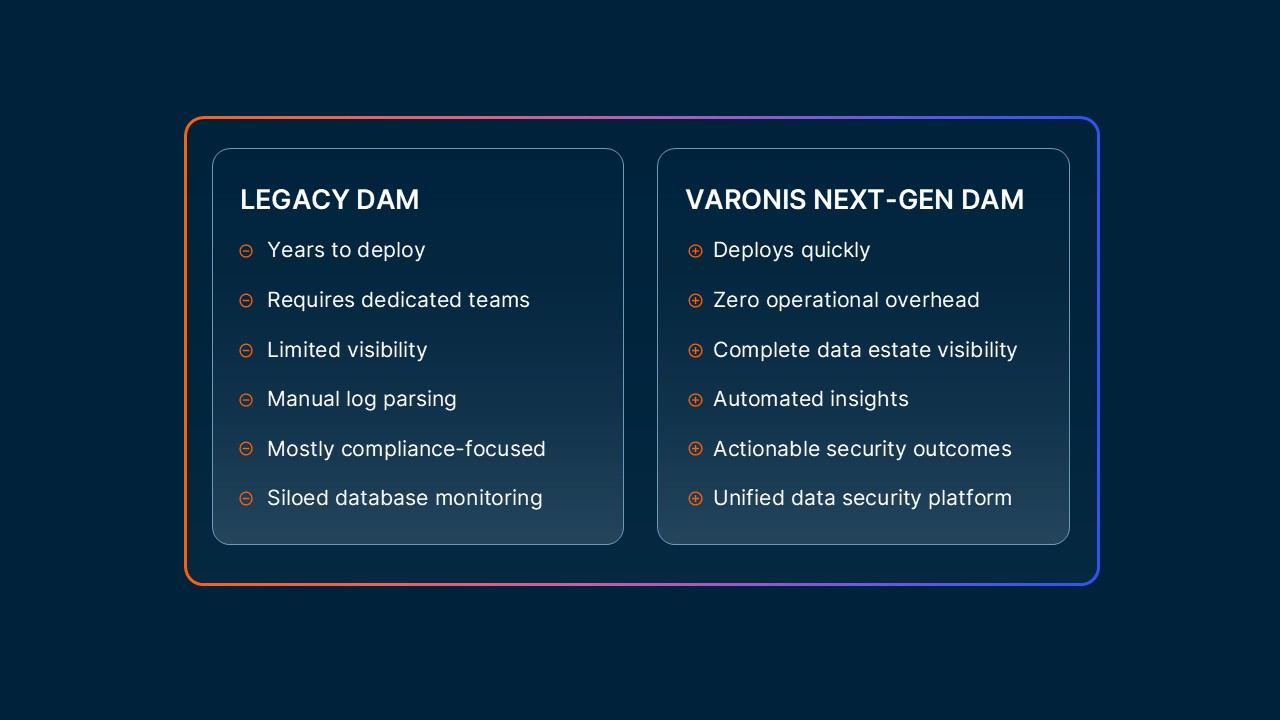 Quelle: https://www.somerfordassociates.com/blog/what-is-database-activity-monitoring-dam/
Wenn der altwerte, agentenbasierte DAM noch passt
Legacy-DAM bleibt eine vernünftige Wahl für ausgereifte On-Prem-Stationen mit stabilen Datenbankflächen, tiefgreifenden Compliance-Anforderungen auf bestimmten Plattformen (insbesondere Oracle oder IBM Db2) und Sicherheitsteams mit bestehender Agentenmanagement-Expertise.
Wenn Next-Gen- oder agentenloser DAM die bessere Wahl ist
Die nächste Generation von DAM eignet sich besser zu hybriden und Multi-Cloud-Umgebungen, Umgebungen mit häufigem Infrastrukturwechsel, Organisationen, die KI/ML-Workloads gegen regulierte Daten skalieren, und Teams, die innerhalb von Wochen statt Monaten bereitstellen müssen.
Sichere deine Daten. Baue Vertrauen auf.
Das moderne Geschäft ist eng miteinander vernetzt und schafft sowohl Chancen als auch Risiken. Teradata schützt Daten mit erstklassigen Technologien und Prozessen und gewinnt das Vertrauen führender Unternehmen aus den weltweit am stärksten regulierten Branchen. Um mehr darüber zu erfahren, wie Teradata vertrauenswürdige Daten für Unternehmen liefert, besuchen Sie unser Trust and Security Center.
DAM-FAQs
Haben Sie noch Fragen zu DAM? Hier sind Antworten auf einige der häufigsten.
Was bewirkt die Überwachung von Datenbankaktivitäten?
Was bewirkt die Überwachung von Datenbankaktivitäten?
DAM erfasst, analysiert und warnt Aktivitäten innerhalb der Datenbanksysteme – und verfolgt unabhängig von den eigenen Protokollen der Datenbank, wer auf welche Daten zugegriffen hat.
Was ist der Zweck der Datenbanküberwachung?
Was ist der Zweck der Datenbanküberwachung?
Ziel ist es, sensible Daten vor unbefugtem Zugriff zu schützen, regulatorische Anforderungen zu erfüllen und Sicherheitsteams forensische Beweise zu liefern, denen sie vertrauen können.
Was ist der Unterschied zwischen DAM und DAP?
Was ist der Unterschied zwischen DAM und DAP?
DAP ist Gartners Begriff für die größere Kategorie, zu der sich DAM entwickelt hat und die zusätzlich Funktionen wie Datenerkennung und -klassifizierung, Schwachstellenmanagement und Aktivitätsblockierung zusätzlich zur Kernüberwachung hinzufügt.
Was ist Next-Gen- oder agentenloses DAM?
Was ist Next-Gen- oder agentenloses DAM?
Die Next-Gen-DAM verwendet cloud-native, agentenlose Abfangsysteme oder native Log-Collection anstelle von Server-Agenten. Es wird schneller bereitgestellt, skaliert über Tausende von Datenbanken und arbeitet mit verwalteten Cloud-Diensten, die Legacy-DAM nicht erreichen können.
Wie unterstützt DAM die Einhaltung von SOX, HIPAA, PCI DSS und DSGVO?
Wie unterstützt DAM die Einhaltung von SOX, HIPAA, PCI DSS und DSGVO?
DAM bietet die kontinuierliche Überwachung, manipulationssichere Prüfspuren und privilegierte Zugriffsberichterstattung, die diese Frameworks benötigen – und verwandelt Compliance-Beweise in etwas, das auf Abruf abgerufen werden kann, anstatt manuell neu zu rekonstruieren.